Ask people what they value in a space they use every day and they rarely describe the ceiling. They talk about the weight of a door handle, the warmth of a timber desk, the stone that stays cool under the palm. The finishes within reach shape how a space is remembered far more than the ones admired from across the room.
01The surfaces we remember
Photographs judge a space by sight. Daily life judges it by touch. Worktops, handles, handrails, seat edges and the first metre of every wall are handled hundreds of times a week, and they carry a disproportionate share of how a room is experienced.
These are also the surfaces where cost-cutting is most tempting and most visible. A laminate can photograph like oak and still feel like plastic under the hand. A coated finish can read as bronze on a mood board and still feel cold and hollow. People rarely name the difference, but they feel it every time they reach out.
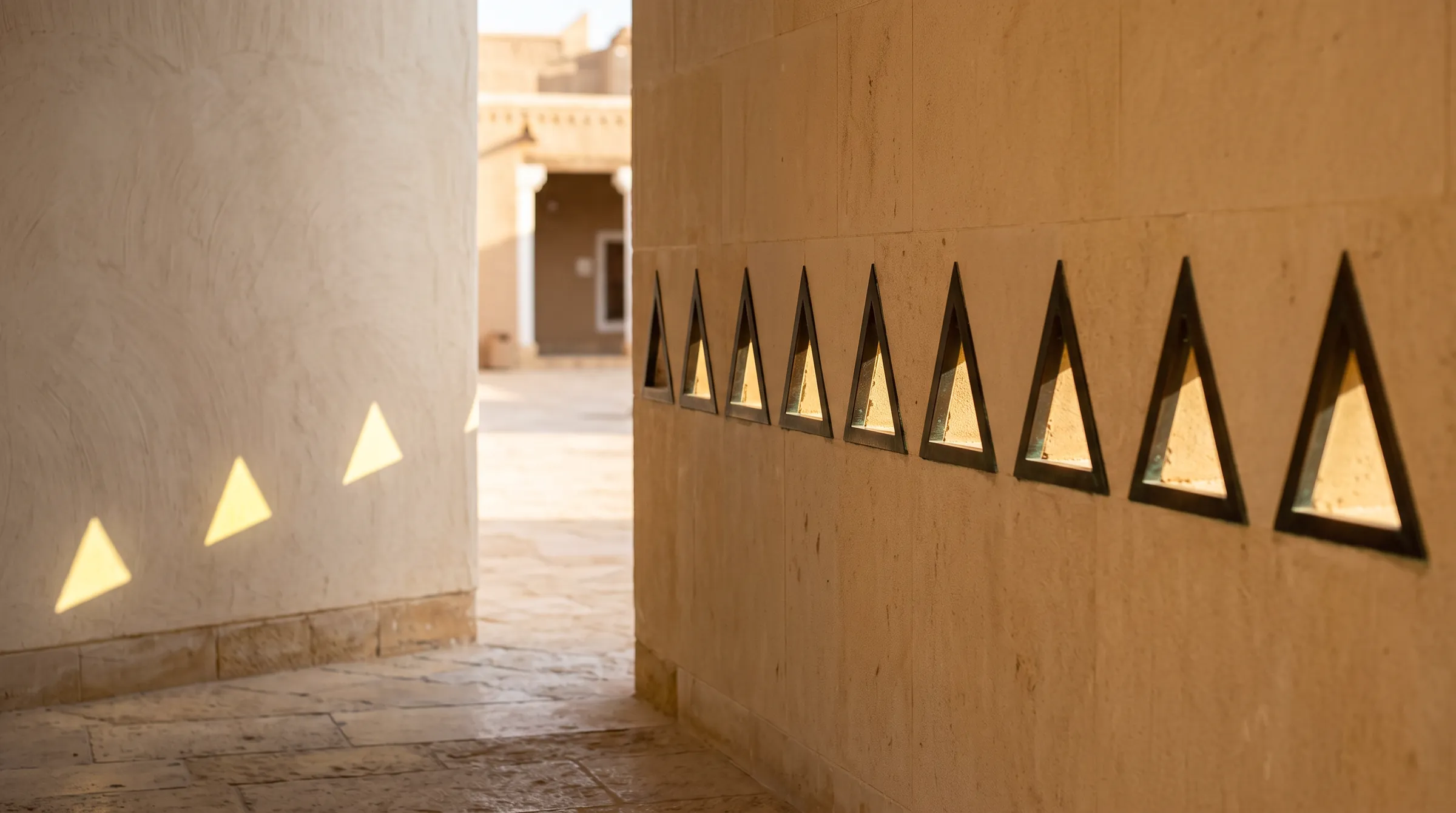
02Specifying for the hand, not the eye
A practical way to plan a finishes budget is to divide every room into two zones. The contact zone is everything people routinely touch: worktops, door and drawer hardware, handrails, seating, the tables they lean on. The visual zone is what they only see: ceilings, high walls, distant planes.
Genuine materials belong in the contact zone: solid timber, natural stone, full-grain leather, solid metal hardware. In the visual zone, well-chosen engineered alternatives can do the job without anyone noticing. This is not purism; it is allocation. Spending where the hand lands, rather than evenly across every surface, is how a measured budget produces a space that feels considered.
03How honest materials age
Real materials change with use, and that change is part of their value. Solid timber can be sanded and refinished; natural stone can be honed and resealed; solid brass and bronze develop a patina. Thin veneers, foils and coatings, once worn through, can usually only be replaced.
Climate matters too. In the dry heat of Riyadh, timber needs time to acclimatise before installation, and stone in high-traffic areas needs the right sealer. In coastal cities such as Jeddah, humidity and salt air change the choice of metals and finishes. Honest materials are not maintenance-free; they are maintainable, which is a different and more durable promise.
04Choosing by touch
The most reliable test is simple: hold the sample. Review contact-zone materials at full size, in hand, under the light of the actual room, and ask how each one will feel in year five rather than on day one. Compare edges and corners, not just faces, because edges are where hands land and where cheaper materials give themselves away.
When a selection is made this way, the visual shortlist often changes. The result is a space that photographs well and, more importantly, feels right to live and work in.
Touch, not sight, decides how a space is remembered.
Spend on the contact zone; engineer the visual zone.
Honest materials can be renewed; coatings can only be replaced.